







Rib Bones and Hooves: The Chews My Pack Lives For 🦴
I get commissions for purchases made through links in this post. As an Amazon Associate I earn from qualifying purchases.
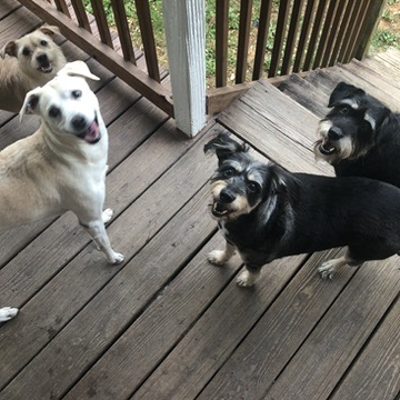
We LIVE for these. They last forever for my heavy chewers. 💪
And my littles? They go after the gristle first. Super messy while that's still on there. It won't be there for long, hahaha. 😂
Put a towel down. Trust me.
Pick #1: smoked beef rib bones
K9 Connoisseur Beef Rib Bones for Dogs, 8 Count
- Real beef rib bones, hickory smoked, with marrow and meaty bits.
- Single ingredient, with no preservatives or artificial flavors, per the brand.
- From USA-raised cattle and made in the USA.
- NOT rawhide. We never do rawhide here. Ever.
Pick #2: cow hooves 🐄
We LIVE for a hoove. 😂
They last forever. They get traded back and forth between the bigs and the littles. Everybody loves them. Everybody.
Pawstruck Natural Cow Hooves for Dogs, 10 Count
Heads up: these were showing out of stock on Amazon when I last checked. Check back! 🔄
- Natural cow hooves, roasted and cleaned. Made in the USA.
- No artificial ingredients, no hormones, and no chemicals, per the brand.
- Also NOT rawhide. 🙌
- Some reviewers say theirs chipped into sharp bits, so check them often (see below).
The honest part (please read this one) 🚨
I love these, but I'm not going to pretend they're risk-free. They're not.
- The FDA has warned about "bone treats" like these. Rib bones were on the list. Reported problems include choking, mouth cuts, blockages, vomiting, and in some cases death.
- Bones and hooves are HARD. Vet dental guidelines say to skip chews that don't bend or break easily (bones, hooves, antlers) because they can crack teeth. My quick check: if your fingernail can't dent it, it's hard on teeth, so I keep sessions supervised and short.
- So in my house:
- Supervised. Always. No chewing alone, no bones in the crate, no "I'll be right back."
- Big enough. The bone has to be way too big to swallow. Size up, never down.
- Gone when it gets small, chippy, or splintery. Little pieces, sharp edges, or cracks? Into the trash.
- One dog, one chew, space between them. Trading is cute until it's not. 😂
- Know your chewer. Broken teeth, dental work, a gulper, or a senior with tender teeth? Skip these and ask your vet for a softer option.
- If your dog acts off after chewing (vomiting, straining, not eating, lethargic, bleeding), call your vet right away.
Prefer a softer chew? My bully sticks post has picks.
Real facts, no fluff
- The FDA reported about 68 illness reports involving roughly 90 dogs tied to processed "bone treats." The list included products called "Rib Bones" and smoked bones. Reported problems included obstruction, choking, mouth wounds, vomiting, diarrhea, rectal bleeding, and about 15 deaths. (NPR on the FDA warning; Veterinary Practice News)
- The FDA also recommends supervising your dog with any treat or chew, especially a new one. (NPR)
- AAHA's dental guidelines discourage chews that don't bend or break easily, like bones, hooves, and antlers. (AAHA)
- A veterinary dental practice says antlers, cow hooves, and natural bones are among the most common causes of fractured teeth it sees. Its rule: if your fingernail can't dent the chew, it's too hard. (Veterinary Dentistry of Missouri)
- WSAVA says to avoid excessively hard chews like antlers and hooves. (WSAVA)
- WSAVA says to supervise dogs with chews and treats, pick a size and shape that lowers choking risk, and notes that bones (cooked and raw) can be very dangerous. (WSAVA)
Vet note: I'm not a vet, and this isn't vet advice. Ask your vet whether bone or hoof chews are OK for your dog's teeth and chewing style.